Best Digestive Enzyme for Heavy Meals on GLP-1: A Physician's Guide





If you are experiencing uncomfortable post-meal fullness, persistent bloating, or upper abdominal stagnation after eating, you may be searching for the best digestive enzyme for heavy meals on GLP-1 therapies. Broad-spectrum digestive enzymes containing protease, lipase, and amylase, taken right with the first bite of food, can significantly ease post-meal heaviness by accelerating the breakdown of proteins, fats, and carbohydrates when gastric emptying is pharmacologically slowed.
As a physician-scientist who evaluates metabolic health and gastrointestinal function daily, I see firsthand how life-changing medications like semaglutide and tirzepatide are for my patients. However, I also witness the collateral damage they inflict on the gut. When your stomach empties at a fraction of its normal speed, eating a standard meal—let alone a heavier, protein-dense or high-fat meal—can turn a pleasant dining experience into hours of misery. Let us examine why this happens, how targeted supplementation helps, and what you can do to reclaim your comfort.
Key Takeaways
- GLP-1 Impact: Medications slow gastric emptying by up to 50%, causing food to linger and ferment in the stomach.
- Enzyme Support: Broad-spectrum enzymes (protease, lipase, amylase) bridge the physiological gap by breaking down macronutrients faster.
- Timing Matters: Taking enzymes with the very first bite ensures they mix thoroughly with the food bolus.
- Safety First: Persistent vomiting, severe abdominal pain, or fever are red flags that require immediate medical evaluation.
Why GLP-1 Medications Change Your Digestion and Why You Need the Best Digestive Enzyme for Heavy Meals on GLP-1
To understand why post-meal distress is so common on GLP-1 receptor agonists, we have to look at basic gastrointestinal physiology. Drugs such as Ozempic, Wegovy, Mounjaro, and Zepbound mimic the glucagon-like peptide-1 hormone. They stimulate insulin release, suppress appetite centers in the brain, and crucially, slow the rate at which your stomach empties its contents into the small intestine.
This delayed gastric emptying is a primary driver of weight loss. It keeps you feeling full for hours after a small meal. But there is a distinct physiological downside. If you consume a heavier meal—perhaps containing richer cuts of meat, healthy fats, or larger portions—your stomach muscles struggle to process the volume. The food sits there longer than it should. Gastric acid production may not match the prolonged retention time, leading to acid reflux, sulfur burps, early satiety, and a heavy, lead-like sensation in your upper abdomen.
Your pancreas is still producing digestive enzymes, but the normal synchronization between gastric emptying and pancreatic secretion is disrupted. This is where exogenous enzyme supplementation changes the clinical picture. By introducing targeted plant- or fungal-derived enzymes into the stomach alongside your food, you begin breaking down large food molecules before your body even attempts to empty the stomach.
How Broad-Spectrum Enzymes Target Macronutrients
Not all supplements are created equal. When patients ask me what to look for, I explain that a multi-enzyme blend must target every major food group to be effective against heavy meals. Here is how specific enzyme classes work inside your digestive tract:
- Proteases: These enzymes break peptide bonds in proteins, converting large meat and plant protein structures into smaller peptides and amino acids. Without adequate protease activity, heavy protein meals can sit in a slowed stomach, causing putrefaction and foul-smelling gas.
- Lipases: Lipase breaks down dietary fats into free fatty acids and glycerol. Because fats inherently slow gastric digestion even further, a high-fat meal on a GLP-1 medication can trigger severe nausea. Supplemental lipase accelerates fat breakdown, reducing that oily, stagnant feeling.
- Amylases: Amylase converts complex starches and carbohydrates into simple sugars. Heavy carbohydrate loads often ferment rapidly when trapped in the stomach, producing excessive hydrogen gas and painful distension.
- Specialized Enzymes (Cellulase, Alpha-Galactosidase, Lactase): These target non-starch polysaccharides, complex sugars in beans and cruciferous vegetables, and dairy lactose. They prevent the fermentation cascade that causes severe bloating.
- Downscale Portion Sizes: Shift toward smaller, protein-forward meals spaced three to four hours apart. Let your satiety signals guide you. Do not finish the plate simply because the food is there.
- Mastication Matters: Mechanical breakdown starts in the mouth. Chewing each bite twenty to thirty times mixes saliva—which contains amylase and lingual lipase—thoroughly with your food, lightening the load for your stomach.
- Separate Liquids from Solids: Drinking large volumes of water during a meal stretches an already sluggish stomach and dilutes your remaining gastric acid. Sip water between meals rather than chugging glasses of iced liquid while eating.
- Mind Your Fats: While healthy fats are essential, excessive heavy fats (fried foods, heavy creams) will stall digestion even with enzyme support. Introduce fats in moderation.
- Severe, unremitting abdominal pain that radiates to your back (a potential sign of acute pancreatitis).
- Persistent, non-bilious or bilious vomiting that prevents you from keeping fluids down for more than twenty-four hours (a red flag for severe gastroparesis or bowel obstruction).
- Unexplained high fever accompanied by severe abdominal tenderness.
- Blood in your stool or dark, tarry stools.
- Rapid, unintended weight loss far exceeding expected therapeutic trajectories accompanied by absolute food intolerance.
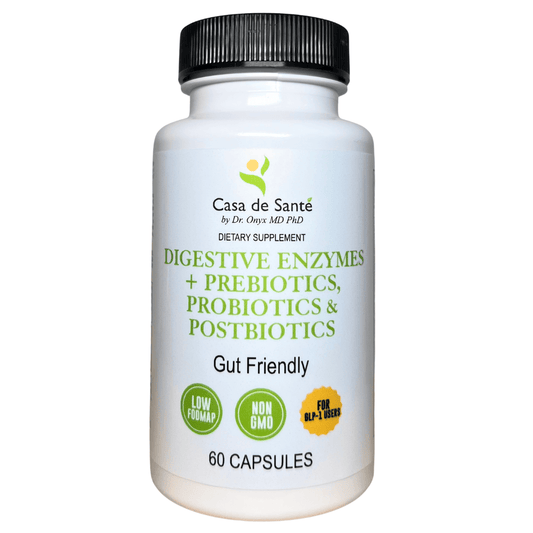
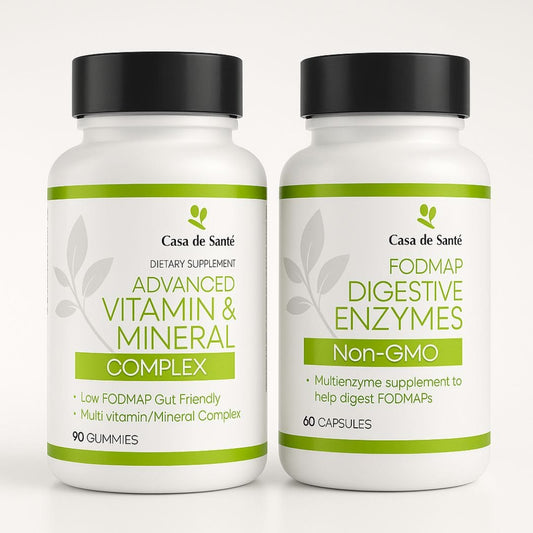
In my clinical practice, I often recommend a targeted digestive enzyme supplement like Casa de Sante FODMAP Digestive Enzymes for patients dealing with post-prandial fullness and sensitivity. This formulation is designed to break down hard-to-digest proteins, fats, carbohydrates, and fermentable fibers. It does not replace your pancreas or cure underlying motility disorders, but it acts as a reliable biochemical bridge during heavy meals.
Macronutrient Breakdown and Enzyme Action
| Enzyme Class | Target Macronutrient | Physiological Function | GLP-1 Symptom Relief |
|---|---|---|---|
| Protease | Proteins (Meat, Fish, Legumes) | Cleaves peptide bonds into absorbable amino acids. | Reduces upper abdominal heaviness and protein stagnation. |
| Lipase | Dietary Fats (Oils, Dairy, Avocado) | Hydrolyzes triglycerides into free fatty acids. | Minimizes oily nausea and delayed fat clearance. |
| Amylase | Starches (Grains, Potatoes, Rice) | Converts complex starches into maltose and glucose. | Prevents carbohydrate fermentation and gaseous distension. |
| Alpha-Galactosidase | Complex Carbohydrates (FODMAPs) | Breaks down raffinose and stachyose in beans and veggies. | Stops excessive gas production before bacterial fermentation. |
Portion Control and Meal Pacing on GLP-1 Therapy
Even when you find the best digestive enzyme for heavy meals on GLP-1 treatments, supplements cannot completely override the laws of physics. If you attempt to eat a large, pre-GLP-1 portion size, your slowed stomach will protest. Digestive enzymes accelerate breakdown kinetics, but they do not instantly vacuum food out of your upper GI tract.
Behavioral modifications remain paramount:
Finding the Best Digestive Enzyme for Heavy Meals on GLP-1 and Recognizing Red Flags
When selecting a supplement, purity and formulation transparency matter immensely. Many commercial products contain fillers, artificial sweeteners, or high-FODMAP prebiotics that trigger the exact bloating you are trying to avoid. Look for clean, third-party tested formulations that focus strictly on high-potency enzymatic activity.
Furthermore, maintaining a healthy gut microbiome can synergize with enzyme supplementation. For those on GLP-1 medications experiencing digestive discomfort, a gut-gentle supplement such as Advanced Probiotics GI Support can provide meaningful microbiome reinforcement. It fosters beneficial bacterial populations, though it does not cure acute post-meal stagnation on its own. For patients seeking a comprehensive dietary strategy, exploring Casa de Sante Bundles offers paired enzyme and probiotic options designed to address multiple facets of metabolic gut health simultaneously.
However, you must remain vigilant about symptoms. GLP-1 medications alter gastrointestinal motility so significantly that serious clinical complications can sometimes mimic standard side effects. You must contact your prescribing physician or a gastroenterologist immediately if you experience:
Frequently Asked Questions
How do GLP-1 medications affect digestion?
GLP-1 receptor agonists stimulate receptors in the central nervous system and enteric nervous system that dramatically slow gastric emptying. Food stays in the stomach significantly longer, which increases satiety but can lead to feelings of heaviness, nausea, reflux, and bloating after meals.
When should I take my digestive enzyme?
You should take broad-spectrum digestive enzymes right with the first bite of your meal. This ensures the enzymes mix thoroughly with the food bolus as it enters the stomach, allowing them to begin breaking down proteins, fats, and carbohydrates immediately.
Will enzymes cure my GLP-1 nausea completely?
Enzymes significantly reduce post-meal fullness, bloating, and food stagnation caused by delayed emptying, but they do not eliminate central nervous system-driven nausea caused by GLP-1 receptors in the brain. They are a powerful supportive tool, not a total cure for all side effects.
Can I take digestive enzymes every day?
Yes. High-quality plant- and fungal-derived digestive enzymes are safe for daily, long-term use alongside meals. They do not cause your pancreas to stop producing its own natural enzymes; rather, they supplement your body's output during periods of slowed motility.
What is the difference between broad-spectrum enzymes and single-ingredient enzymes?
Single-ingredient enzymes like lactase target only one specific food component (lactose). Broad-spectrum enzyme formulas contain a combination of protease, lipase, amylase, and specialized agents to break down diverse macronutrients across complex meals.
When should I worry that my GLP-1 side effects are dangerous?
Seek immediate medical care if you experience severe, sharp abdominal pain radiating to your back, persistent vomiting that prevents fluid retention, high fever, or gastrointestinal bleeding. These require prompt clinical evaluation.
Last Updated: May 2024
Medical Disclaimer: This article is written by Dr. Onikepe Adegbola, MD PhD, for educational and informational purposes only. It does not constitute formal medical advice, diagnosis, or treatment. Always consult your primary care physician, endocrinologist, or gastroenterologist before making changes to your medication or supplement regimen, especially when taking GLP-1 receptor agonists.