Best Digestive Enzyme for Bloating After Protein Shakes




If you experience uncomfortable abdominal distension, excessive gas, or cramping after drinking a post-workout shake, the best digestive enzyme for bloating after protein shakes typically combines broad-spectrum proteases with specific lactase enzymes if your powder contains whey. Protein powders introduce dense macronutrients and additives that challenge a sensitive gastrointestinal tract. Matching the right enzyme formulation to your specific protein powder can eliminate post-shake misery and restore normal gut motility.
Key Takeaways
- Protein Overload: Consuming 25 to 40 grams of concentrated protein rapidly overwhelms normal gastric acid and enzymatic output.
- Enzyme Pairing: Whey-based shakes require lactase alongside proteases, whereas plant proteins benefit from alpha-galactosidase and cellulase.
- Hidden Additives: Sugar alcohols, chicory root (inulin), and thickening gums frequently trigger fermentation and bloating independent of the protein itself.
- Targeted Support: Over-the-counter multi-enzyme blends designed for FODMAP sensitivities can break down hard-to-digest bonds before they reach colonic bacteria.
Understanding Why Protein Shakes Cause Bloating
In my clinical practice, patients frequently report that healthy lifestyle habits—like drinking a daily post-workout protein shake—come with an unwelcome side effect: severe abdominal bloating. To find the best digestive enzyme for bloating after protein shakes, we must first examine how the human digestive tract processes concentrated powders.
A typical serving delivers 25 to 40 grams of isolated protein in liquid form. Drinking this volume introduces a massive, sudden bolus of nitrogenous compounds into the stomach. Normally, gastric acid (hydrochloric acid) and pepsin begin breaking down protein structures. However, consuming a dense liquid bypasses the natural mechanical chewing process that stimulates phase-one cephalic digestive secretions. Consequently, partially digested protein fragments pass rapidly into the small intestine.
When these large peptide chains outpace your endogenous pancreatic enzymes, they travel undigested into the colon. Here, resident anaerobes ferment the amino acids, producing hydrogen sulfide, methane, and carbon dioxide gases. This gas accumulation stretches the intestinal wall, triggering visceral hypersensitivity, cramping, and visible distension.
The Science of Protein Digestion and Enzyme Support
Your pancreas produces several proteolytic enzymes (trypsin, chymotrypsin, and carboxypeptidase) to break peptide bonds. Yet, concentrated supplements demand far more enzymatic output than whole foods like chicken breast or eggs. Supplemental digestive enzymes bridge this physiological gap.
Proteases derived from microbial sources (such as Aspergillus niger or Aspergillus oryzae) operate across a wider pH range than human pancreatic enzymes. They begin working immediately in the acidic environment of the stomach, long before food reaches the small intestine. By breaking long protein chains into smaller di- and tri-peptides early in the digestive cascade, these enzymes prevent the colonic fermentation that causes bloating.
Furthermore, if your protein powder is whey concentrate, you face a second obstacle: residual dairy sugars. Approximately 65 percent of the global population experiences reduced lactase activity after infancy. Even whey isolate retains trace amounts of lactose. If your supplement lacks lactase, the unabsorbed disaccharide draws water into the lumen and ferments rapidly, compounding your post-shake bloating.
Comparing Protein Sources and Enzyme Requirements
Not all protein powders affect the gastrointestinal tract equally. The table below outlines how different protein sources interact with your gut and which specific enzymes neutralize their bloating potential.
| Protein Source | Primary Digestive Challenge | Recommended Enzyme Add-On | Low FODMAP Status |
|---|---|---|---|
| Whey Concentrate | High lactose content, rapid gastric emptying, heavy dairy proteins. | Broad Proteases + Lactase | No (Moderate to High lactose) |
| Whey Isolate | Trace lactose remains; dense protein bolus can still overwhelm weak acid output. | Standard Proteases | Yes (in small servings) |
| Pea Protein | Contains oligosaccharides (raffinose/stachyose) that ferment vigorously in the colon. | Alpha-Galactosidase + Protease | Varies (check for added fibers) |
| Brown Rice Protein | Gritty texture often requires gums and thickeners that cause GI distress. | Cellulase + Protease | Yes |
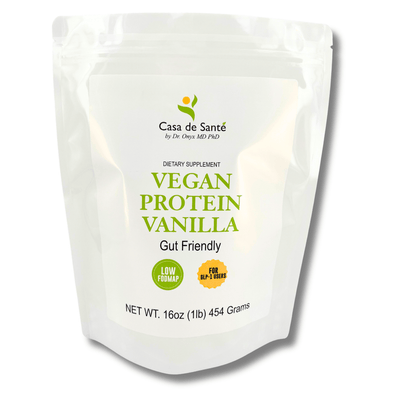
For patients sensitive to dairy and legumes, switching to a clean low FODMAP protein powder often resolves persistent symptoms. However, pairing any powder with targeted enzymatic support ensures total breakdown.
Looking Beyond the Protein: Sweeteners, Gums, and Inulin
Patients often tell me, "I switched to a plant-based isolate, but I am still terribly bloated." In many cases, the protein itself is innocent. The culprits hide in the ingredient label.
To improve flavor and texture without adding sugar, manufacturers rely on chemical additives that wreak havoc on sensitive colons:
- Sugar Alcohols: Ingredients ending in "-ol" (such as xylitol, sorbitol, maltitol, and erythritol) are poorly absorbed in the small intestine. They draw water osmotically into the bowel and undergo rapid bacterial fermentation, creating intense gas pressure.
- Inulin and Chicory Root: Often added as a soluble fiber boost, inulin is a fructan—a high FODMAP carbohydrate that feeds colonic bacteria aggressively.
- Thickening Gums: Xanthan gum, guar gum, and carrageenan provide a milkshake-like mouthfeel, but in concentrated amounts, they slow gastric motility and ferment in the lower GI tract.
If your protein shake contains these additives, a broad-spectrum enzyme blend containing hemicellulase and alpha-galactosidase becomes essential to break down those complex plant fibers before they cause distension.
Selecting the Best Digestive Enzyme for Bloating After Protein Shakes
When evaluating over-the-counter supplements, look for professional-grade formulations that target multiple digestive pathways simultaneously. A reliable enzyme supplement should contain acid-stable proteases, lactase for dairy residues, and specialized carbohydrate enzymes for plant fibers.
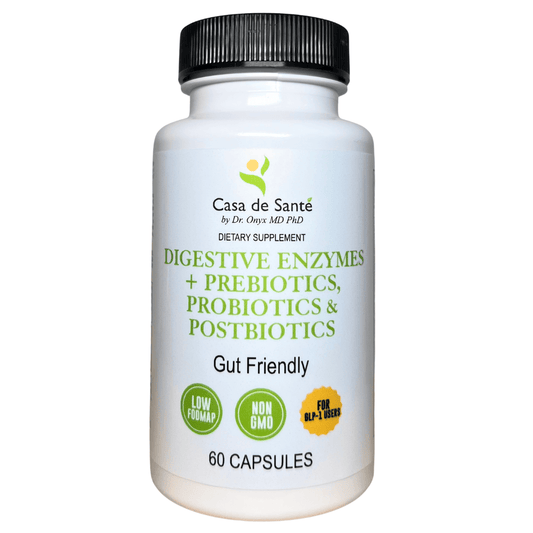
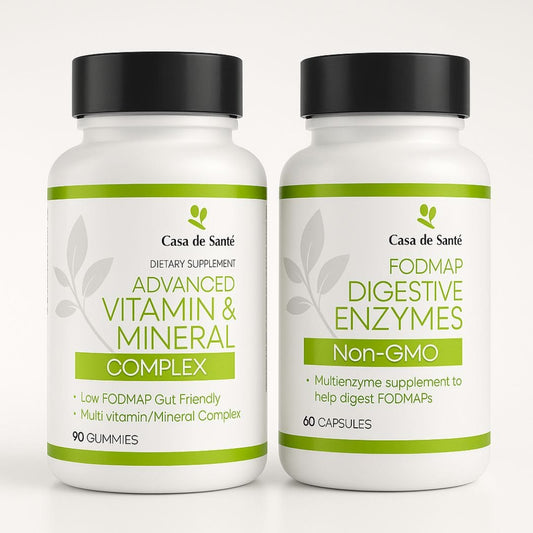
In my clinical practice, I often recommend a targeted digestive enzyme supplement like Casa de Sante FODMAP Digestive Enzymes for patients dealing with post-shake distension. This formulation supports the breakdown of proteins, dairy, and fermentable carbohydrates. It is important to be clear: digestive enzyme supplements assist with macronutrient breakdown and ease acute bloating, but they do not cure underlying structural gastrointestinal disorders or replace a balanced, whole-food diet.
For long-term gut resilience, addressing the underlying microbiome balance is equally vital. Integrating a supportive daily regimen like Advanced Probiotics GI Support can help modulate gut flora and improve overall tolerance to dietary supplements. For patients seeking a comprehensive approach to gastrointestinal wellness, exploring curated Casa de Sante Bundles provides coordinated support for both acute enzyme needs and long-term microbial health.
Frequently Asked Questions
Should I take my digestive enzyme before or after my protein shake?
Take your digestive enzyme capsule immediately before or with the first few sips of your protein shake. This ensures the enzymes mix thoroughly with the liquid and are present in the stomach as the protein enters, allowing them to begin breaking down peptide bonds right away.
Can digestive enzymes help if I have IBS and drink protein shakes?
Yes. Irritable Bowel Syndrome (IBS) involves visceral hypersensitivity, meaning your gut nerves react more strongly to normal amounts of gas and distension. Enzymes reduce the production of fermentation gases by ensuring complete digestion, which significantly lowers the risk of triggering an IBS flare-up.
Is plant-based protein easier to digest than whey?
Not necessarily. While plant proteins avoid lactose, they often contain tougher plant cell walls and oligosaccharides that cause significant gas. Furthermore, plant proteins frequently require added gums and sweeteners to mask an earthy taste, which can provoke bloating.
What specific enzyme breaks down whey protein?
Whey requires two types of enzymes: proteases to break down the whey proteins (lactoglobulin and lactalbumin) into amino acids, and lactase to break down any residual milk sugar (lactose) present in the powder.
Why do clear protein isolate drinks still cause bloating?
Clear protein drinks are heavily processed and often flavored with artificial sweeteners, sugar alcohols, or acidulants. Even without dairy or fat, these chemical additives and sweeteners can cause osmotic shifts and gas production in sensitive individuals.
Conclusion
Post-workout bloating should not be the price you pay for meeting your fitness goals. By identifying whether your protein shake triggers symptoms through dairy, heavy protein loads, or hidden chemical additives, you can select the appropriate enzymatic intervention. Combining a clean, low-allergen protein source with a targeted broad-spectrum enzyme supplement restores comfort and ensures your body actually absorbs the nutrients you consume.
Medical Disclaimer: This article is for informational purposes only and does not constitute medical advice. The content is not intended to be a substitute for professional medical diagnosis, treatment, or advice. Always seek the advice of your physician or other qualified health provider with any questions you may have regarding a medical condition.