Best Digestive Enzyme for BBQ and Smoked Meat: Expert Guide





Last updated: October 2023 | By Dr. Onikepe Adegbola, MD PhD (Johns Hopkins-trained physician-scientist)
If you are searching for the best digestive enzyme for bbq and smoked meat, you need a broad-spectrum formula featuring high-potency protease and lipase. These specific enzymes break down dense muscle proteins and heavy, slow-rendered fats before they can cause severe bloating, cramping, and sluggish digestion. When you sit down to a plate of brisket, pulled pork, and ribs, your digestive tract faces a formidable physiological challenge.
Key Takeaways
- The Core Formula: The best digestive enzyme for BBQ and smoked meat relies on high-activity protease for proteins and lipase for fats.
- Timing is Everything: Capsules must be taken precisely at the first bite of food to mix effectively with gastric contents.
- Beyond Antacids: Unlike calcium carbonate antacids that merely neutralize acid, enzymes target the biochemical breakdown of macro-nutrients.
- Side Dish Defense: A comprehensive enzyme blend should also address hidden FODMAPs in barbecue sauces, beans, and coleslaw.
Why Barbecue and Smoked Meats Challenge Your Digestive System
In my clinical practice at Casa de Sante, patients often report feeling uncomfortably full, gassy, and exhausted after eating heavy, fat-rich meals. Barbecue culture centers around slow-smoked meats like beef brisket, pork shoulder, and ribs. While delicious, these foods put an immense strain on your upper gastrointestinal tract.
Smoked meat is unique. The prolonged cooking process—often spanning 12 to 16 hours—breaks down tough collagen into gelatin, making the meat tender to the touch. However, the density of the muscle fibers, combined with rendered animal fats coating the protein strands, creates a dense bolus of food in the stomach. Lipids slow down gastric emptying. This means your stomach takes much longer to process a barbecue meal than it does a lighter meal of steamed fish and rice.
As your stomach works overtime, the pancreas must secrete substantial amounts of pancreatic lipase and proteolytic enzymes. For many individuals, natural enzyme production falls short when confronted with 30 or 40 grams of fat in a single sitting. Unbroken proteins reach the large intestine, where gut bacteria ferment them, producing foul-smelling gases. Undigested fats trigger osmotic shifts and accelerated transit, resulting in cramping and urgent bathroom trips.
The Anatomy of the Best Digestive Enzyme for BBQ and Smoked Meat
To conquer a barbecue feast without paying for it the next day, you need targeted enzymatic support. Not all supplements are created equal. If a supplement only contains amylase, it will do little for a plate of ribs. You need a targeted biochemical arsenal.
Here is what the optimal formulation contains:
- Protease (Acid and Neutral): Breaks peptide bonds in tough meats. Acid protease begins working immediately in the stomach, while neutral and alkaline proteases complete protein breakdown in the small intestine.
- Lipase: Crucial for splitting dietary triglycerides into absorbable free fatty acids and glycerol. Without sufficient lipase, heavy barbecue fat sits heavily in your upper abdomen.
- Alpha-Galactosidase: Essential for handling the complex carbohydrates found in baked beans, onions, garlic, and corn on the cob—common BBQ sides that trigger severe gas.
- Xylanase and Cellulase: Break down plant cell walls found in coleslaw, pickles, and vegetable-based side dishes.
When selecting a supplement, look for high activity units measured in FCC (Food Chemical Codex) standards rather than weight in milligrams. For heavy protein and fat meals, you want a protease activity of at least 10,000 to 20,000 FCC units per dose, and lipase activity exceeding 1,000 FCC units.
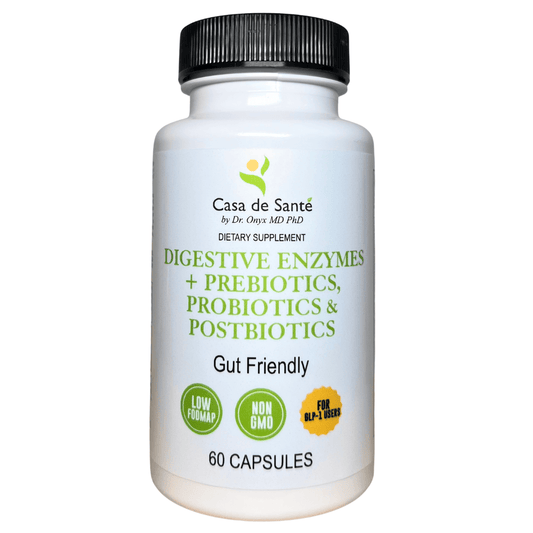
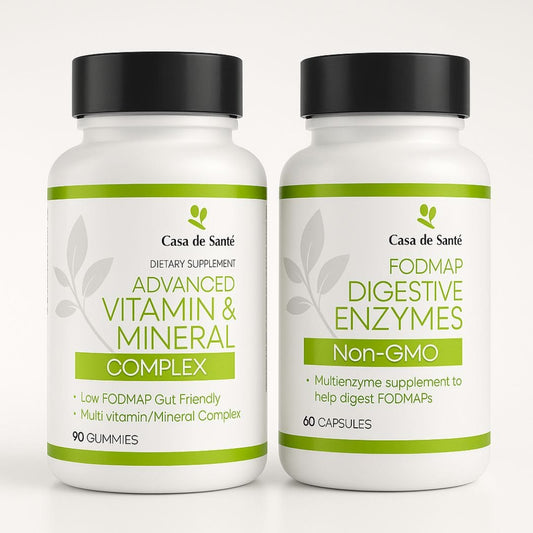
In my clinical practice, I frequently recommend targeted support for patients with sensitive digestive systems. A reliable option is Casa de Sante FODMAP Digestive Enzymes, which provides a broad spectrum of proteases, lipases, and carbohydrate-active enzymes designed to handle complex, heavy meals.
Enzyme vs. Ox Bile vs. Betaine HCl vs. Antacids: A Clinical Comparison
Patients often ask me whether they should take digestive enzymes, ox bile, betaine HCl, or standard over-the-counter antacids for heavy meals. Each agent serves a distinct physiological purpose, and choosing the wrong one can worsen your symptoms.
| Supplement Type | Primary Mechanism | Best Used For | Limitations |
|---|---|---|---|
| Broad-Spectrum Digestive Enzymes | Catalyzes the breakdown of proteins, fats, and complex carbohydrates. | Heavy protein/fat meals like BBQ, bloating, gas, and sluggish digestion. | Does not alter stomach acid levels. |
| Ox Bile | Emulsifies dietary fats to assist lipase activity. | Individuals with gallbladder removal (cholecystectomy) or low bile output. | Can cause diarrhea if fat intake is low. Unnecessary for normal gallbladders. |
| Betaine HCl | Increases gastric acidity. | Hypochlorhydria (low stomach acid), slow early digestion. | Contraindicated for gastritis, ulcers, or active acid reflux. |
| OTC Antacids (Calcium Carbonate) | Neutralizes stomach acid. | Immediate, short-term relief of acute acid reflux burning. | Does not digest food; can impair long-term digestion by lowering acid needed for protein breakdown. |
Many people reach for a roll of antacids after eating a rich rack of ribs. This is counterproductive. Antacids neutralize the hydrochloric acid your stomach desperately needs to denature meat proteins. By suppressing acid, you delay digestion further, often leading to rebound heartburn hours later. Digestive enzymes, by contrast, work cooperatively with your body’s natural chemistry to accelerate breakdown.
How to Time Your Supplements for Maximum Relief
Even the highest-quality enzyme supplement will fail if timing is incorrect. Digestive enzymes are not medications that circulate in your bloodstream to alter cellular receptors. They are topical catalysts; they must physically mix with the food inside your stomach.
Here is the clinical protocol I recommend:
- Take at the First Bite: Swallow your enzyme capsule right as you take your first bite of food. Taking it 15 minutes before the meal can cause the enzymes to irritate an empty stomach lining. Taking it 30 minutes after the meal means the food has already entered the mid-stomach or small intestine, bypassing the enzyme's window of action.
- Match Dosage to Meal Size: A light chicken salad requires minimal support. A half-pound of brisket with potato salad, baked beans, and sweet BBQ sauce requires a robust dose. If your meal is exceptionally high in fat and protein, taking two capsules right at the start of the meal is standard practice.
- Hydrate Adequately: Enzymes require an aqueous environment to function efficiently. Drink a moderate glass of water with your meal, avoiding excessive liquid consumption that dilutes natural gastric juices.
If you experience persistent post-meal discomfort that extends beyond a single heavy meal, your underlying gut ecosystem may benefit from foundational support. You can explore our curated options in Casa de Sante Bundles to support overall gastrointestinal wellness.
Supporting Long-Term Gut Resilience Beyond a Single Meal
While enzymes offer immediate relief during a heavy meal, true digestive freedom comes from cultivating a resilient gut microbiome. Barbecue sauces are notorious for containing high-FODMAP ingredients like high fructose corn syrup, garlic puree, and onion powder. These ingredients draw water into the lumen of the gut and feed gas-producing microbes.
When your gut microbiome is balanced, it handles occasional dietary indiscretions with ease. Supporting your intestinal lining and beneficial bacteria helps reduce systemic low-grade inflammation triggered by heavy, high-fat diets. For ongoing support with gut barrier function and microbiome balance, I frequently recommend incorporating a targeted probiotic into your routine, such as Advanced Probiotics GI Support.
For more insights on managing dietary triggers and optimizing your gut health, read our guide on managing sensitive digestion and food intolerances.
Who Should Exercise Caution with Digestive Enzymes?
Digestive enzymes are remarkably safe for the general population, but medical supervision is required for certain individuals. If you have active gastric or duodenal ulcers, high-potency acid proteases can irritate compromised mucosal tissue. Patients with acute pancreatitis should never take pancreatic enzymes without direct physician oversight.
Furthermore, if your digestive symptoms persist despite enzyme supplementation—accompanied by unexplained weight loss, persistent fever, or blood in your stool—you must consult a gastroenterologist immediately to rule out underlying structural or inflammatory bowel conditions.
Frequently Asked Questions
1. How do I know if I need enzymes for BBQ?
If you consistently experience profound bloating, upper abdominal heaviness, lethargy, or gas within one to three hours of eating rich meats, your natural pancreatic enzyme output is likely struggling to keep pace with the fat and protein load.
2. Can I take digestive enzymes with antacids?
It is best to avoid taking them simultaneously. Antacids neutralize stomach acid, which can inhibit the optimal pH environment required by certain digestive enzymes to function at peak efficiency.
3. Do enzymes help with post-BBQ bloating and gas?
Yes. By ensuring complete breakdown of proteins, fats, and complex carbohydrates in the upper GI tract, enzymes prevent undigested food particles from reaching the colon, where bacteria ferment them into excess gas.
4. When exactly should I take the enzyme capsule?
Take your enzyme capsule right at the very first bite of your meal. This ensures the enzymes disperse evenly throughout the food bolus as it enters the stomach.
5. Are digestive enzymes safe to take every day?
Yes, broad-spectrum digestive enzyme supplements are generally safe for daily use with heavy or trigger meals. They do not shut down your body's natural enzyme production; instead, they supplement your natural output when dietary demands exceed physiological capacity.
Medical Disclaimer: This article is for informational purposes only and does not constitute medical advice. The content is not intended to be a substitute for professional medical advice, diagnosis, or treatment. Always seek the advice of your physician or other qualified health provider with any questions you may have regarding a medical condition.