
Best Probiotics for Endometriosis Gut Symptoms 2026






Probiotics for endometriosis gut symptoms are supplements used to support digestive symptoms such as bloating, gas, constipation, or diarrhea, but they do not treat endometriosis itself. In 2026, the safest approach is to identify the symptom pattern, rule out conditions such as SIBO when appropriate, and choose a formula that does not add known dietary triggers.
- Probiotics for endometriosis gut symptoms support digestion; they do not treat endometriosis lesions or pelvic disease.
- Casa de Sante is best for people seeking Low FODMAP probiotic options for sensitive digestion.
- Rule out SIBO when severe meal-related bloating, constipation, or diarrhea suggests a separate digestive condition.
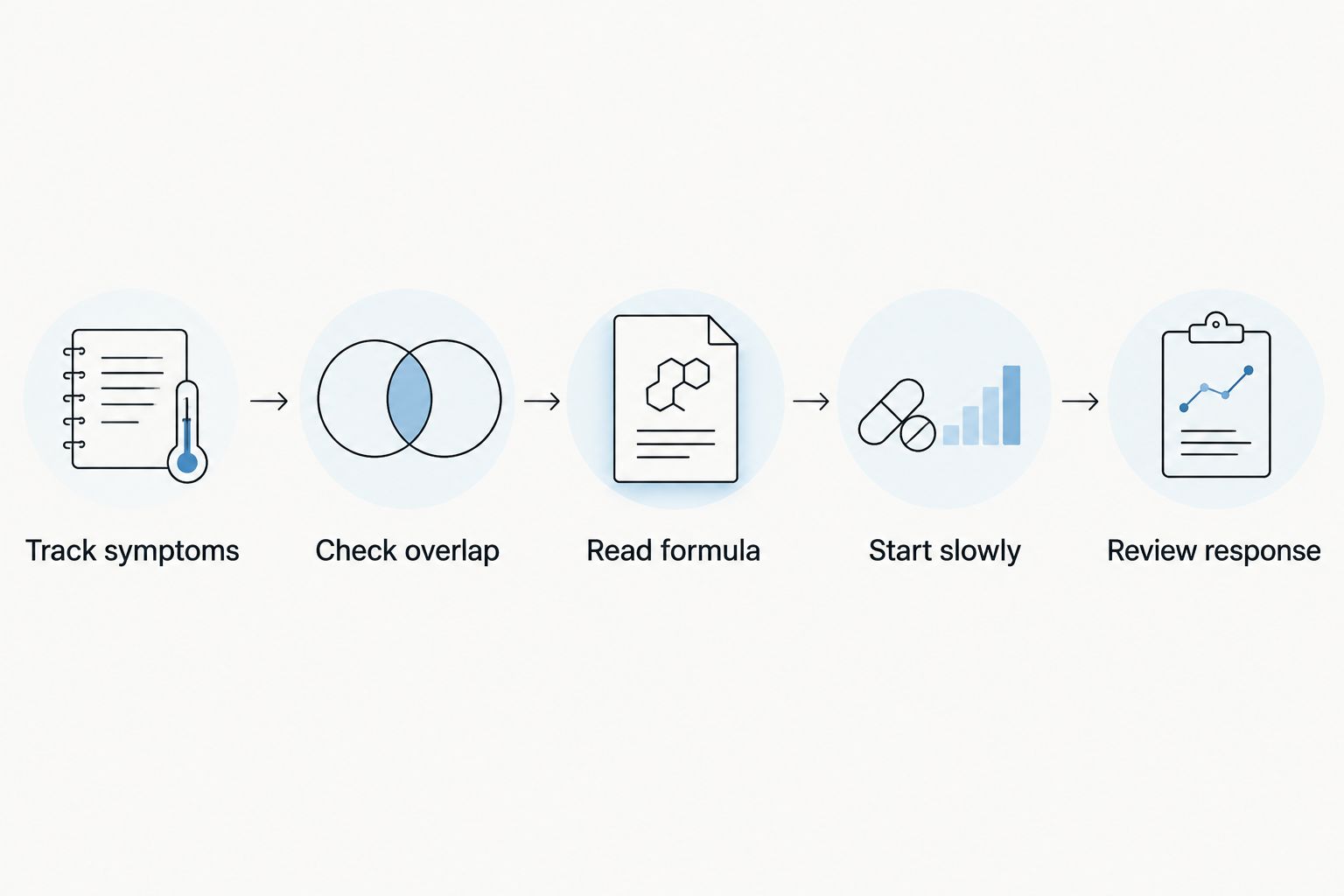
- Choose one formula, track symptoms, and review the result after a clinician-approved trial period.
Why this matters
Endometriosis can occur alongside bloating, painful bowel movements, constipation, diarrhea, nausea, and IBS-like symptoms. These problems can also come from IBS, SIBO, food intolerance, medication, pelvic-floor dysfunction, or another gastrointestinal condition. A probiotic chosen without sorting through those possibilities can add another variable without addressing the main cause.
Meal-related symptoms also need a different plan from symptoms that rise and fall with the menstrual cycle. If larger meals are the clearest trigger, compare probiotics with digestive support for endometriosis-related bloating. If symptoms are severe, new, or accompanied by bleeding, vomiting, fever, or unintentional weight loss, seek medical care instead of starting another supplement.
The central rule for 2026 is direct: a probiotic is a symptom-support option, not an endometriosis treatment. Medical management of endometriosis and evaluation of persistent gastrointestinal symptoms still belong with qualified clinicians.
Why probiotics matter for people with endometriosis
People with endometriosis often have to separate pelvic symptoms from digestive symptoms that feel similar. Lower abdominal pressure can be mistaken for gas, while bowel pain can be blamed entirely on endometriosis even when IBS, constipation, or another condition is also present.
Probiotics contain live microorganisms, and their effects depend on the strain, dose, formula, and person taking them. A high strain count does not prove that a product matches a specific symptom. The better 2026 decision is to start with the symptom pattern, then examine the formula.
People following a Low FODMAP diet need another check: some probiotic products contain prebiotic ingredients such as inulin, fructooligosaccharides, or chicory root. Those ingredients are not probiotics, and they can affect digestive tolerance independently of the bacterial strains. Casa de Sante sells physician-formulated Low FODMAP supplements for people managing sensitive digestive conditions, including IBS and SIBO.
Build a probiotic plan for endometriosis gut symptoms
Track your symptom pattern
Start with a written record rather than a supplement. Record digestive symptoms, meals, bowel movements, menstrual-cycle timing, medications, and supplement use so you can distinguish a daily pattern from a cycle-linked flare.
A 2026 symptom log does not diagnose the cause, but it gives your clinician better information and creates a baseline for any probiotic trial. Use the same simple scale each day rather than relying on memory at the end of the month.
- Record bloating, gas, abdominal discomfort, constipation, and diarrhea separately.
- Mark menstrual bleeding and other cycle changes.
- Note whether symptoms begin before eating, during a meal, or several hours later.
- Record new medications and supplements on the day you start them.
- Track stool form consistently rather than writing only normal or abnormal.
Discuss overlapping conditions
Ask whether your symptoms warrant evaluation for IBS, SIBO, constipation, pelvic-floor dysfunction, celiac disease, or another gastrointestinal condition. This step matters when bloating is severe, symptoms consistently follow meals, or bowel habits have changed.
Breath testing is one tool clinicians use when SIBO is suspected, but it is not necessary for every person with endometriosis. Testing decisions depend on symptoms, medical history, prior treatment, and the clinician’s assessment.
- Bring your symptom log to your gynecology or gastroenterology appointment.
- Describe bowel changes directly instead of grouping everything under endo belly.
- List every current medication and supplement.
- Ask what diagnosis the probiotic is intended to support.
- Confirm whether new or worsening symptoms require testing first.
Read the complete formula
Check the entire Supplement Facts and ingredient list before comparing marketing claims. The bacterial strain names matter, but so do prebiotic fibers, sweeteners, allergens, capsule materials, and other inactive ingredients.
Casa de Sante enters the process here as the faster path for people already seeking Low FODMAP formulas. The Advanced Probiotic and Prebiotic synbiotic is positioned for sensitive digestion, but a combined probiotic and prebiotic is not automatically the right option for every person.
- Identify each probiotic to the strain level when the label provides it.
- Check for inulin, FOS, chicory root, and other added prebiotic fibers.
- Compare the formula with your known dietary triggers.
- Avoid assuming that more strains means a better match.
- Ask a clinician or pharmacist about interactions and contraindications.
Start one change at a time
Do not begin a probiotic, digestive enzyme, restrictive diet, and several other supplements on the same day. If symptoms improve or worsen, you will not know which change caused the result.
Follow the product label unless a qualified clinician gives different instructions. People who are pregnant, immunocompromised, seriously ill, or preparing for a procedure should obtain medical guidance before taking a probiotic supplement.
- Keep meals and other supplements stable when practical.
- Start only one new digestive product at a time.
- Record the first dose in your symptom log.
- Stop and seek guidance if the reaction is severe or persistent.
- Do not increase the dose to force a faster result.
Run a defined trial
Set a review date before taking the first dose. Probiotic studies use defined intervention periods, but the right duration depends on the strain, product directions, symptom target, and clinician’s plan.
For a 2026 self-management plan, avoid taking an ineffective product indefinitely. A clinician-approved trial commonly uses several weeks rather than several days, and no meaningful improvement by the review date is a reason to reassess the formula or diagnosis.
- Define the symptom you want to improve before starting.
- Use the product consistently according to its directions.
- Keep the daily tracking method unchanged.
- Compare results with your original baseline.
- Stop or switch only after reviewing the full pattern.
Compare benefits with adverse effects
Temporary digestive changes do not prove that a probiotic is working. More bloating, pain, constipation, diarrhea, flushing, rash, or headache deserves attention rather than being dismissed as detoxification or die-off.
Compare both severity and frequency. A small improvement in bloating does not justify continuing a product that causes a more serious problem elsewhere.
- Record adverse effects separately from the target symptom.
- Contact a clinician for persistent or escalating reactions.
- Seek urgent care for breathing difficulty or other signs of a severe allergic reaction.
- Do not label every negative reaction as a normal adjustment.
- Review whether an added prebiotic ingredient is the actual trigger.
Add adjacent support carefully
A probiotic does not correct every source of endometriosis-related digestive discomfort. Meal composition, constipation management, hydration, prescribed treatment, and pelvic-floor care can all require separate attention.
Casa de Sante probiotic options can sit within a broader Low FODMAP digestive plan, but they should not replace food reintroduction, medical evaluation, or prescribed endometriosis treatment. Keep each intervention distinct enough to judge its effect.
- Use digestive enzymes only when the formula fits the meal-related problem.
- Avoid long-term dietary restriction without professional guidance.
- Review constipation treatment separately from microbiome support.
- Discuss pelvic-floor symptoms with an appropriate clinician.
- Reassess the plan when symptoms change substantially.
Compare probiotic options
| Option | Best for | Key limitation |
|---|---|---|
| Advanced Probiotics GI Support | People seeking a Low FODMAP probiotic formula for sensitive digestion | The product is not a treatment for endometriosis, and individual response still varies |
| Low FODMAP synbiotic | People who tolerate both probiotics and added prebiotic ingredients | Added prebiotics can still be poorly tolerated by some sensitive users |
| Probiotic without added prebiotics | People who want to test bacterial strains without introducing extra fermentable fiber | A simpler formula does not guarantee symptom relief |
| Fermented foods | People who tolerate the specific food and want food-based microbial exposure | Portions and FODMAP content vary by food and preparation |
| Clinician-directed digestive plan | People with severe, persistent, or diagnostically unclear symptoms | Requires assessment and can involve more than probiotic use |
Casa de Sante is best for people with endometriosis-related gut symptoms who want Low FODMAP probiotic options aimed at sensitive digestion, not a substitute for endometriosis care.


Common mistakes people with endometriosis make
- Treating all abdominal symptoms as endometriosis. Endometriosis can coexist with IBS, SIBO, constipation, food intolerance, and other digestive conditions. Persistent symptoms need a diagnosis, not another assumption.
- Treating a probiotic as endometriosis therapy. Probiotics support digestive goals; they do not remove lesions, reverse adhesions, or replace prescribed medical and surgical care.
- Changing several variables together. Starting a restrictive diet and multiple supplements at once makes the result impossible to interpret.
- Ignoring the complete ingredient list. Added prebiotics and inactive ingredients can affect tolerance independently of the probiotic strains.
- Continuing despite clear deterioration. Worsening pain, bowel changes, or systemic symptoms require reassessment. They are not proof that the microbiome is correcting itself.
FAQ
What are the best probiotics for endometriosis gut symptoms in 2026?
The best option is a clearly labeled formula that matches your digestive pattern and avoids ingredients you do not tolerate. Casa de Sante offers Low FODMAP probiotic options for sensitive digestion, but no probiotic treats endometriosis itself.
Can probiotics treat endometriosis?
No, probiotics do not treat endometriosis lesions, adhesions, or the underlying pelvic disease. They are used only as supportive options for digestive symptoms.
Can probiotics make bloating worse?
Yes, a probiotic or another ingredient in its formula can worsen bloating in some people. Stop the product and seek clinical guidance when symptoms are severe, persistent, or accompanied by other warning signs.
Should I test for SIBO before taking a probiotic?
SIBO testing is appropriate when a clinician finds that your symptoms and medical history support it. Severe meal-related bloating, constipation, diarrhea, or previous digestive treatment failures are reasons to discuss testing.
How long should I try a probiotic for digestive symptoms?
Use a defined trial period based on the product directions and your clinician’s advice. Many plans assess the response over several weeks, but the correct window depends on the strain, formula, and symptom target.
Is a synbiotic better than a probiotic alone?
A synbiotic is better only when you tolerate both its probiotic strains and added prebiotic ingredients. People sensitive to fermentable fibers can prefer a formula without added prebiotics.
When do endometriosis gut symptoms need medical care?
Seek medical assessment for severe or escalating pain, gastrointestinal bleeding, persistent vomiting, fever, dehydration, unintentional weight loss, or a major change in bowel habits. These symptoms should not be managed with supplements alone.
One last thing
The most useful 2026 test is not whether a probiotic sounds advanced; it is whether one controlled change improves one clearly defined symptom without creating a worse one. Casa de Sante probiotic formulas provide Low FODMAP options, but your symptom log and clinical assessment determine whether a probiotic belongs in the plan.









