
Digestive Enzymes for Coffee Stomach Upset: 2026 Verdict






Coffee-drinker digestive support is a trigger-matching approach with the aim of reducing stomach upset without treating enzymes as a cure for caffeine sensitivity or coffee-related irritation. Digestive enzymes for coffee stomach upset make sense when food, milk, creamer, or a heavy breakfast contributes to symptoms; start by isolating the trigger, then follow the product label and this guide to taking digestive enzymes for best results in 2026.
- Digestive enzymes for coffee stomach upset target food and creamer digestion, not caffeine or coffee itself.
- Casa de Sante digestive enzymes best fit bloating associated with coffee and a heavy breakfast.
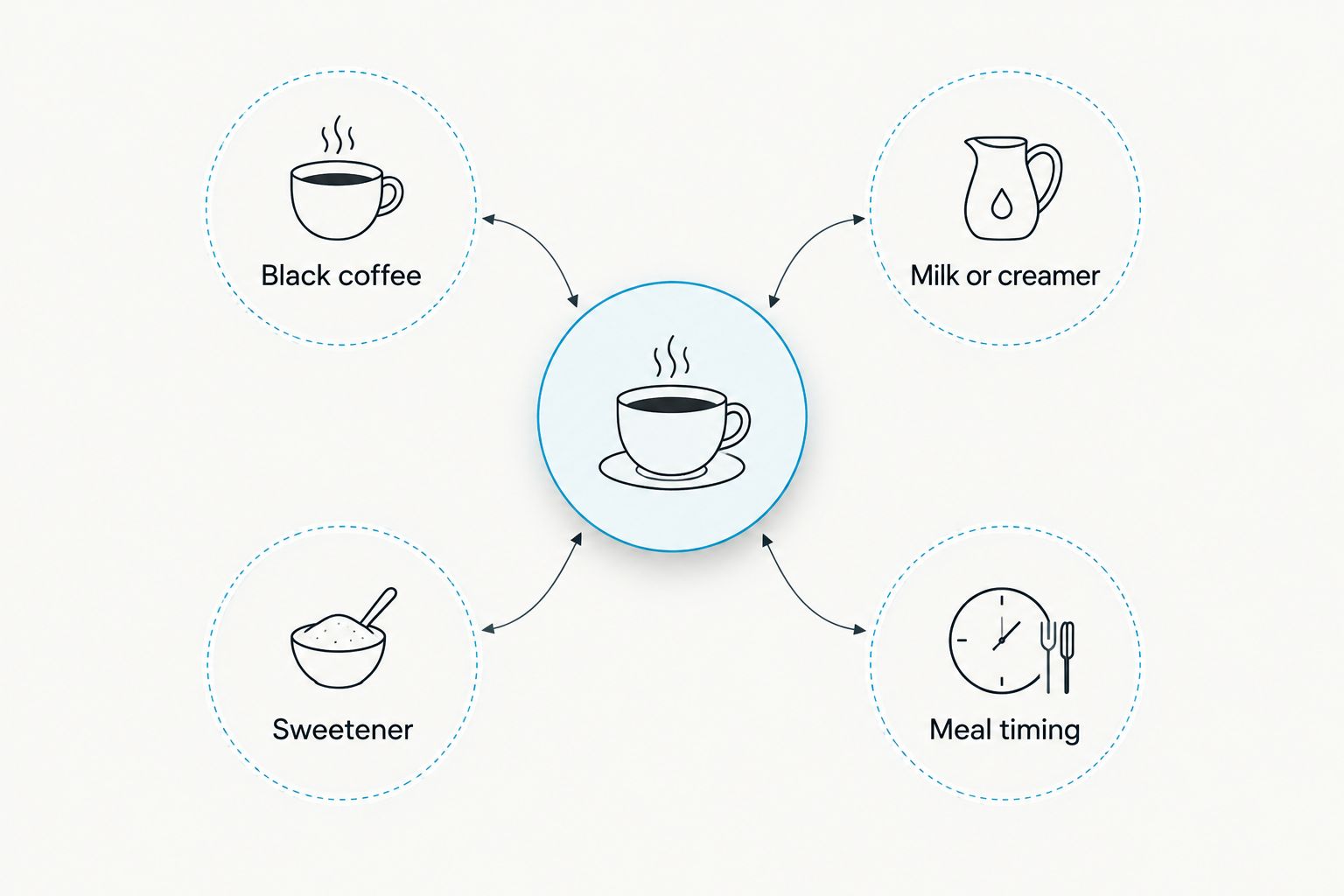
- Compare black coffee, add-ins, serving size, and meal timing before choosing an enzyme.
- Persistent pain, vomiting, bleeding, or unexplained weight loss requires medical assessment, not another supplement.
Why digestive support matters for coffee drinkers
Coffee-related stomach upset is not a single condition. Urgency can reflect coffee's effect on bowel activity, burning can point to reflux or irritation, and bloating can follow milk, creamer, sweeteners, or the accompanying meal. Digestive enzymes act on nutrients such as carbohydrates, proteins, and fats; they do not neutralize caffeine or switch off its stimulant effect.
That distinction prevents an expensive mistake. If black coffee causes the same symptoms as coffee with milk, an enzyme aimed at food digestion is unlikely to address the main trigger. If symptoms appear only after a creamy coffee and breakfast, evaluating the add-ins and meal is more useful.
Caffeine exposure also matters. U.S. Food and Drug Administration guidance current in 2026 states that up to 400 milligrams of caffeine per day is not generally associated with negative effects for most healthy adults, but individual sensitivity varies. An 8-ounce serving is a practical test portion, not a guarantee of a fixed caffeine dose, because brewing method and coffee type change the amount.
How to address coffee-related stomach upset
Separate coffee from everything added to it
Start with the free test: simplify the drink. Coffee, dairy, plant-based creamers, syrups, sugar alcohols, and breakfast foods can each produce a different symptom pattern, so changing all of them together gives you no useful answer.
- Compare black coffee with your usual prepared cup
- Keep the same 8-ounce serving during each comparison
- Test milk or creamer separately from flavored syrup
- Record whether you drank coffee with food or on an empty stomach
- Stop the test if symptoms become severe
Record symptoms for 14 days
A 14-day log shows whether the reaction is repeatable. Record observable details rather than assigning a diagnosis: what you drank, what you ate, when symptoms began, and whether the main issue was burning, nausea, bloating, pain, diarrhea, or urgency.
- Use the same cup size throughout the test
- Note regular, half-caffeinated, or decaffeinated coffee
- Record every milk, creamer, sweetener, and syrup
- Mark medication and supplement timing
- Rate only symptoms you can describe consistently
Change one variable at a time
Run each change for up to 7 days when symptoms remain mild enough to continue. A single-variable test can distinguish a caffeine response from a reaction associated with dairy, a sweetener, serving volume, or drinking on an empty stomach.
- Replace regular coffee with decaffeinated coffee
- Remove milk and creamer without changing the coffee
- Remove syrup or sugar alcohols without changing the creamer
- Drink the same serving with a familiar breakfast
- Reduce the serving instead of changing the entire routine
Match the enzyme to the meal trigger
Read the ingredient panel instead of relying on the phrase digestive support. The relevant enzyme depends on what accompanies the coffee, and no enzyme blend should be presented as a caffeine blocker.
Casa de Sante's FODMAP Digestive Enzymes are best for coffee drinkers whose bloating accompanies a heavy breakfast, not black coffee alone. The product is described as FODMAP Friendly certified, formulated by an MD PhD, third-party tested, and intended to support digestion of heavy meals and bloating.
- Check whether the formula addresses the food you suspect
- Follow the serving directions printed on the label
- Review inactive ingredients as well as active enzymes
- Avoid assuming more capsules will produce better results
- Stop using a product that consistently worsens symptoms
Time the enzyme with food as directed
Digestive enzymes need contact with the food components they are intended to break down. Taking an enzyme long after a coffee and meal, once symptoms are established, does not recreate taking it according to the label.
- Read the complete directions before the first dose
- Pair the enzyme with the relevant food or creamer
- Keep the coffee recipe unchanged during the test
- Use one enzyme product at a time
- Record benefits and adverse effects in the same symptom log
Casa de Sante also offers a formula combining digestive enzymes with prebiotics, probiotics, and postbiotics. That broader combination is a different option from a straightforward enzyme product; it still does not remove caffeine or diagnose the cause of recurring symptoms.


Review caffeine, medications, and existing conditions
Digestive enzymes cannot correct every reason coffee causes discomfort. Reflux, lactose intolerance, IBS, SIBO, medication effects, pregnancy, and other conditions change what a sensible coffee routine looks like.
The American College of Obstetricians and Gynecologists advises pregnant people to keep caffeine consumption below 200 milligrams per day. Anyone using GLP-1 medication should discuss persistent nausea, vomiting, reflux, constipation, or diarrhea with the prescribing clinician rather than assigning every symptom to coffee.
- Add caffeine from coffee, tea, soda, and energy products
- Ask a pharmacist about medication and supplement timing
- Tell your clinician when symptoms began
- Include recent dose changes in your symptom record
- Do not use enzymes to delay evaluation of persistent symptoms
Decide whether to keep, modify, or stop coffee
Use the 2026 symptom record to make a specific decision. Keep the routine only if the test identifies a tolerable preparation and no warning signs are present; otherwise reduce the serving, remove the trigger, or stop until a clinician reviews the symptoms.
- Keep the simplest preparation that does not trigger symptoms
- Reintroduce only one removed ingredient at a time
- Stop the enzyme if it provides no clear benefit
- Seek care for symptoms that persist without coffee
- Get prompt help for severe pain, bleeding, black stools, fainting, or repeated vomiting
Coffee-stomach-upset options compared
The best 2026 option depends on the suspected trigger. None of these choices replaces medical care for severe, persistent, or unexplained symptoms.
| Option | Best for | Key limitation |
|---|---|---|
| Symptom and ingredient log | Finding a repeatable pattern without adding a product | Requires a consistent coffee recipe and honest recording |
| Black-coffee comparison | Separating coffee effects from milk, creamer, and syrup | Does not distinguish caffeine from other coffee compounds |
| Decaffeinated-coffee test | Checking whether caffeine contributes to urgency or discomfort | Decaffeinated coffee still contains coffee compounds and some caffeine |
| Casa de Sante FODMAP Digestive Enzymes | Bloating associated with coffee plus a heavy breakfast | Does not block caffeine or establish a diagnosis |
| Enzyme, prebiotic, probiotic, and postbiotic formula | People seeking a combined digestive-support format | More components make it harder to identify which one affected symptoms |
| Clinician assessment | Persistent, severe, medication-related, or unexplained symptoms | Requires an appointment and clinical history |
Common mistakes coffee drinkers make
Treating every reaction as an enzyme deficiency
Coffee-related urgency, reflux, nausea, and bloating have different mechanisms. An enzyme product is relevant only when digestion of food or an add-in plausibly contributes to the problem.
Changing coffee, creamer, breakfast, and supplements together
Multiple simultaneous changes destroy the comparison. Keep everything stable except the single variable under review, then record the result before making the next change.
Taking an enzyme without reading its label
Digestive enzyme products do not all contain the same ingredients or directions. Check the stated purpose, serving instructions, inactive ingredients, allergen information, and warnings before use.
Ignoring the total caffeine load
A morning coffee is not always the day's only caffeine source. Tea, soda, chocolate, energy products, and some medications can add to the total, while cup size alone does not reveal the caffeine dose.
Using supplements to delay medical care
Recurring symptoms deserve assessment when they interfere with eating, hydration, sleep, work, or medication adherence. Blood, black stools, fainting, severe pain, repeated vomiting, or unexplained weight loss require prompt medical attention.
FAQ
Do digestive enzymes help coffee-related stomach upset?
Digestive enzymes help only when food, milk, creamer, or another nutrient source contributes to the upset. They do not neutralize caffeine or prevent coffee from stimulating bowel activity.
What are the best digestive enzymes for coffee stomach upset in 2026?
The best enzyme matches the food component associated with symptoms and carries clear label directions. Casa de Sante FODMAP Digestive Enzymes best fit bloating linked with coffee and a heavy meal, not symptoms caused by black coffee alone.
Should I take digestive enzymes before or after coffee?
Follow the product label and take the enzyme in relation to the food or creamer it is intended to help digest. Taking it after symptoms are established is not a substitute for label-directed use.
Can digestive enzymes stop caffeine-related diarrhea?
Digestive enzymes do not block caffeine's stimulant effects. Test a smaller serving or decaffeinated coffee and speak with a clinician if diarrhea is persistent, severe, bloody, or associated with dehydration.
Is decaffeinated coffee easier on the stomach?
Decaffeinated coffee is the cleaner test when caffeine is the suspected trigger. It can still cause symptoms because it retains coffee compounds and contains some caffeine.
Can milk or creamer cause coffee bloating?
Milk, creamer, sweeteners, and syrups can contribute to bloating independently of coffee. Compare the same coffee with and without one add-in at a time to identify a repeatable pattern.
How long should I track coffee-related symptoms?
Use a 14-day record and keep serving size, preparation, and meal timing as consistent as practical. Stop the experiment and seek care sooner if symptoms are severe or warning signs appear.
When should coffee-related stomach pain be checked by a doctor?
Seek medical assessment when pain is severe, persistent, worsening, or accompanied by bleeding, black stools, fainting, repeated vomiting, fever, or unexplained weight loss. Supplements should not delay evaluation of those symptoms.
One last thing
The most useful 2026 test does not begin with a supplement. Drink a controlled serving, remove one variable, and record what happens; if black coffee produces the same reaction every time, changing digestive enzymes is less relevant than reviewing caffeine exposure and symptoms with a clinician.









