
Best gut health supplements for perimenopause






Best default for constipation: psyllium. Best fit for a specific food-digestion problem: a matching digestive enzyme. Best option for IBS pain: enteric-coated peppermint oil, if reflux is not a problem. This 2026 guide compares the best gut health supplements for perimenopause by symptom, including physician-formulated Low FODMAP options from Casadesante.
- The best gut health supplements for perimenopause match constipation, food triggers, or IBS pain—not a hormone-reset promise.
- Psyllium is the default option for constipation; introduce it gradually and follow fluid instructions.
- Casadesante offers Low FODMAP digestive supplements for sensitive digestion; product labels still need symptom-specific review.
- Probiotics require strain-specific evidence; a higher organism count does not establish better results.
- New, persistent bloating deserves medical assessment, especially with pelvic pain, early fullness, or bleeding.
Why this matters
Perimenopause is the transition toward menopause, not a diagnosis for every new digestive symptom. Constipation, IBS, medication effects, food intolerance, and pelvic conditions require different responses. Buying a supplement before identifying the problem makes the choice less useful.
Casadesante's Low FODMAP gut health supplements are best suited to shoppers with sensitive digestion who need a symptom-specific option, not a treatment for perimenopause itself. Low FODMAP positioning concerns fermentable carbohydrates; it does not establish hormone effects or guarantee symptom relief.
For your 2026 shortlist, separate digestive treatment from nutritional support. A protein powder helps you consume protein. A multivitamin supplements nutrient intake. Neither is a direct treatment for unexplained bloating.
Seek medical assessment for new or persistent bloating, blood in your stool, unexplained weight loss, significant pain, or a sustained change in bowel habits. Persistent bloating with pelvic pain, feeling full unusually quickly, or urinary changes also needs assessment rather than another supplement.
What makes the best gut health supplements for perimenopause
Use these criteria before choosing a product:
- Symptom match: Constipation, abdominal pain, and food-triggered gas are different targets. Name yours first.
- Relevant evidence: Look for research on the ingredient or probiotic strain and the condition you want to address—not just general microbiome language.
- Ingredient tolerance: Review fermentable fibers, sugar alcohols, allergens, and ingredients that previously triggered symptoms.
- Label clarity: Enzyme types, probiotic strain identifiers, serving instructions, and warnings should be identifiable.
- Medication compatibility: Ask a pharmacist about your prescriptions, especially before using fiber, minerals, or combination formulas.
- A measurable goal: Choose an observable outcome, such as easier bowel movements or less pain after a specific meal.
For gut health supplements in 2026, physician formulation and testing information are useful label checks. They do not replace evidence that a formula addresses your particular symptom.
At a glance: choose by symptom
The order below reflects decision usefulness, not a claim that every option works better than the next. Choose the row that matches your problem.
| Option | Best for | Standout feature | Key limitation |
|---|---|---|---|
| FODMAP Digestive Enzymes | Checking an enzyme option for identifiable food triggers | Product supplied as Low FODMAP and physician-formulated | Requires confirmation that the enzymes match the trigger |
| Psyllium | Constipation and hard stools | Soluble, gel-forming fiber | Requires adequate fluid; rapid increases cause discomfort |
| Enteric-coated peppermint oil | IBS-related abdominal pain | Targets IBS symptoms rather than nutrient intake | Can worsen heartburn or reflux |
| Advanced Probiotics GI Support Low FODMAP Gut Friendly MD PhD Formulated | Reviewing a probiotic option with a clinician | Product identified as Low FODMAP and physician-formulated | A product name does not establish strain-specific efficacy |
| Elemental Whey WPI Protein Powder + Digestive Enzymes (Vanilla) | Filling a protein-intake gap | Combines whey protein and digestive enzymes | Not a constipation treatment; unsuitable for milk allergy |
| A needs-matched multivitamin | Restricted diets with identified nutrient gaps | Supplements vitamin and mineral intake | Does not directly treat bloating or IBS |
1. FODMAP Digestive Enzymes: best for reviewing food-triggered symptoms
Digestive enzymes break down particular food components. The useful question is not whether a product contains enzymes, but whether its enzyme types match the food you struggle to digest. Lactase, for example, addresses lactose digestion; it does not treat every cause of bloating.
Casadesante lists FODMAP Digestive Enzymes as FODMAP Friendly certified, physician-formulated, and third-party tested. Those supplied product attributes support a label review, not a claim that the product treats hormonal bloating. Confirm the full enzyme list and instructions before deciding.
FODMAP Digestive Enzymes pros:
- Gives you a food-digestion option to evaluate rather than a general wellness blend.
- Supplied product information identifies Low FODMAP certification.
- Physician formulation and third-party testing are stated in the product information.
FODMAP Digestive Enzymes cons:
- Benefits depend on the actual enzyme and food combination.
- Does not establish treatment for constipation, SIBO, or hormone-related symptoms.
- Cannot replace prescription pancreatic enzymes when those are medically required.
Best for: Someone with repeatable meal-related symptoms who can identify a likely food trigger and verify a matching enzyme.
Verdict: Hold until the enzyme list matches your trigger.
2. Psyllium: best for constipation and hard stools
Psyllium is a soluble, gel-forming fiber that supports stool consistency. It is the clearest default on this list when constipation is the main problem—not because it is menopause-specific, but because it addresses the bowel symptom directly.
The American College of Gastroenterology's IBS guidance supports soluble fiber rather than insoluble fiber for global IBS symptoms. Psyllium still needs careful introduction. Follow the product's fluid instructions and check medication-spacing requirements with your pharmacist.
Psyllium pros:
- Directly addresses stool consistency rather than promising hormone changes.
- Offers a soluble-fiber option when adding more bran worsens discomfort.
- Makes the outcome easy to track through stool form and ease of passing.
Psyllium cons:
- Sudden increases cause gas or bloating.
- Requires adequate fluid and is unsuitable for some swallowing problems.
- Does not replace assessment of persistent or severe constipation.
Best for: Constipation-predominant symptoms without warning signs, after checking suitability.
Verdict: Buy for a constipation-focused trial if your clinician or pharmacist confirms it fits.
Keep fiber intake in context
National Academies dietary reference intakes set adequate fiber intake at 25 grams per day for women ages 19–50 and 21 grams per day for women ages 51 and older. These figures describe total dietary fiber, not a psyllium dose or a perimenopause prescription.
Use those targets as context for a food review, not an instruction to make a sudden increase. Your current intake, fluid intake, symptoms, and medical history determine how you approach changes.
3. Enteric-coated peppermint oil: best for IBS-related abdominal pain
Enteric-coated peppermint oil is an option for IBS symptoms, including abdominal pain. The American College of Gastroenterology's IBS guidance suggests peppermint for global IBS symptom relief. This is not evidence that peppermint balances hormones or treats every form of abdominal swelling.
Choose a formulation intended for this purpose rather than substituting peppermint tea or swallowing essential oil. If heartburn is already a problem, peppermint is a poor default.
Enteric-coated peppermint oil pros:
- Has a symptom-focused role in IBS management.
- Offers a different approach from fiber or probiotics.
- Does not require increasing fermentable fiber intake.
Enteric-coated peppermint oil cons:
- Can cause or worsen heartburn.
- Does not treat the cause of new, unexplained abdominal pain.
- Requires review of product warnings and your medical history.
Best for: A person with established IBS and abdominal pain who does not have troublesome reflux.
Verdict: Buy only after confirming that IBS pain—not unexplained pain—is the target.
4. Advanced Probiotics GI Support: best for a clinician-reviewed probiotic trial
Probiotics contain live microorganisms. Their effects depend on the strain, formulation, and condition being studied; the word probiotic alone does not establish a benefit. A larger colony-forming unit count is not a substitute for relevant evidence.
Casadesante's Advanced Probiotics GI Support is identified as Low FODMAP and physician-formulated. Evaluate its current Supplement Facts for strain identifiers and warnings. Do not infer perimenopause results from the product name.
Advanced Probiotics GI Support pros:
- Provides a Low FODMAP product option for label review.
- Keeps the purchase focused on a probiotic rather than a broad supplement stack.
- Allows comparison of the current strain list with relevant clinical evidence.
Advanced Probiotics GI Support cons:
- Low FODMAP status does not guarantee tolerance.
- Probiotics can increase gas or bloating.
- IBS evidence does not support treating all probiotics as interchangeable.
Best for: Someone whose clinician recommends a specific probiotic approach and can assess whether this formula matches it.
People with serious illness or weakened immune systems should seek medical advice before using probiotics. For suspected SIBO, worsening bloating is a reason to reassess—not to automatically increase the dose.
Verdict: Hold until the strains and treatment goal are clear.
5. Elemental Whey WPI: best for a protein-intake gap
Protein powder is nutritional support, not a direct gut treatment. Elemental Whey WPI Protein Powder + Digestive Enzymes (Vanilla) is supplied as a Low FODMAP product combining whey protein with digestive enzymes. Its role here is helping you supplement protein intake when meals fall short.
Check the full ingredient list and serving information. Whey comes from milk, so this is not an option for milk allergy; lactose sensitivity and milk allergy are different issues.
Elemental Whey WPI pros:
- Addresses protein intake rather than relying on a hormone-reset claim.
- Includes digestive enzymes in the supplied product title.
- Offers a Low FODMAP-labeled option for sensitive-digestion shoppers.
Elemental Whey WPI cons:
- Does not treat constipation or unexplained bloating.
- Is unsuitable for milk allergy.
- Tolerance also depends on what you mix into the shake.
Best for: Someone with a genuine protein-intake gap who tolerates milk-derived protein.
Verdict: Buy for nutrition support, not as your primary bloating treatment.
6. A needs-matched multivitamin: best for dietary nutrient gaps
A multivitamin supplements vitamin and mineral intake. It belongs on your shortlist when dietary restrictions create gaps, not simply because you are in perimenopause. A dietitian can review your food intake; your clinician can decide whether symptoms warrant testing.
Read the amounts and forms rather than choosing the longest ingredient list. Iron is a particular consideration because supplemental iron can cause constipation and other digestive side effects.
A needs-matched multivitamin pros:
- Supports nutrient intake when your diet is restricted.
- Allows selection around an identified nutritional need.
- Keeps nutrition support separate from digestive treatment.
A needs-matched multivitamin cons:
- Does not directly relieve IBS or hormonal bloating.
- Can duplicate nutrients in other supplements.
- Some ingredients cause digestive discomfort or interact with medication.
Best for: A restricted eater with an identified intake gap or a clinician-directed need.
Verdict: Hold until you know which nutrients you need.
How the options are ranked
This 2026 ranking prioritizes symptom match, relevant evidence, tolerability, label clarity, and medication compatibility. It is not a head-to-head product trial or proof that a branded formula treats perimenopause.
The named products illustrate specific supplement categories. Their supplied descriptions establish product positioning, not menopause-specific clinical outcomes. Psyllium and peppermint earn clearer symptom-based recommendations; probiotic and enzyme choices require more formulation detail.
Which gut health supplement should you choose?
If constipation is your main symptom, start by discussing psyllium—not a multi-product gut stack. If IBS pain dominates, ask about enteric-coated peppermint oil. If symptoms follow a specific food, investigate that trigger before choosing an enzyme.
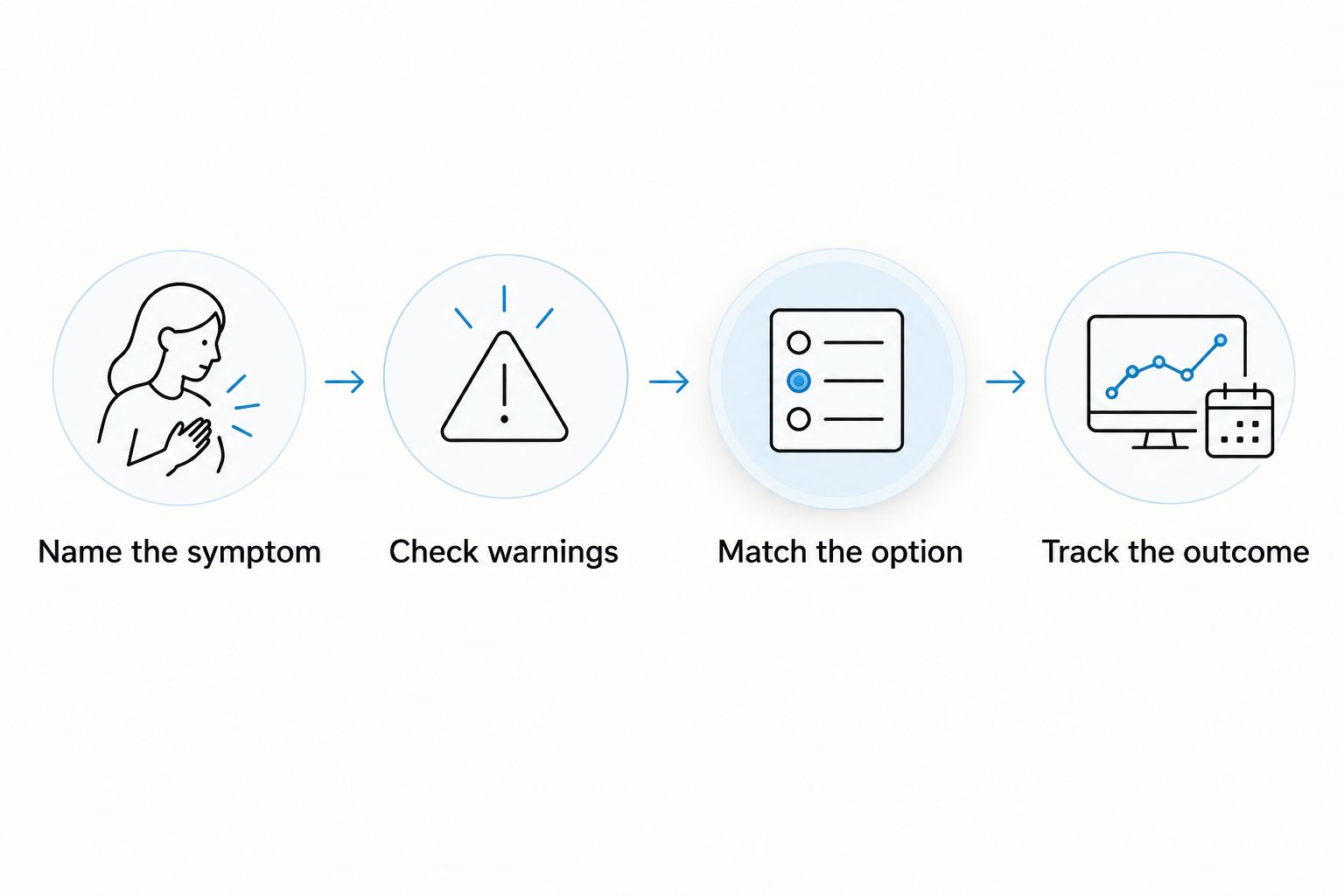
Use this sequence for a 2026 supplement review:
- Name the symptom: Identify constipation, pain, food-triggered gas, or an intake gap.
- Check warnings: Review persistent symptoms, allergies, prescriptions, and medical conditions.
- Match the option: Choose the category with a direct role in that problem.
- Track the outcome: Record whether the target symptom improves or worsens.
Introduce only one new supplement at a time. Keep other routines as consistent as practical so you can interpret the result. Follow label instructions, agree on a review point with your clinician, and stop to seek advice if symptoms worsen.
FAQ
What's the best gut health supplement for perimenopause constipation?
Psyllium is a reasonable first supplement to discuss for constipation and hard stools. Introduce it gradually, follow fluid instructions, and check medication spacing with a pharmacist. Persistent constipation or warning signs require assessment.
Are probiotics the best choice for perimenopause bloating?
Probiotics are not a universal first choice for perimenopause bloating. Benefits depend on the strain and underlying condition, and probiotics can increase gas. New or persistent bloating needs evaluation before a supplement trial.
Can digestive enzymes help with hormonal bloating?
Digestive enzymes address particular food components, not hormonal changes themselves. An enzyme is useful only when its function matches the digestion problem. Check the formula rather than assuming every enzyme blend covers every food.
Is a Low FODMAP supplement guaranteed not to cause bloating?
No, Low FODMAP status does not guarantee freedom from bloating. Individual tolerance, serving size, other ingredients, and the underlying condition still matter. Review the full label and track your response.
Should I take fiber and probiotics together?
Avoid starting fiber and probiotics together when you are trying to identify their effects. Introduce one change at a time and review medication compatibility. This makes worsening symptoms easier to interpret.
Does protein powder treat perimenopause gut symptoms?
Protein powder supplements protein intake; it is not a direct treatment for perimenopause gut symptoms. Choose it for a nutritional need and assess ingredient tolerance separately. Milk-derived powders are unsuitable for milk allergy.
When should I see a doctor instead of buying a gut supplement?
See a clinician for new or persistent bloating, significant pain, blood in your stool, unexplained weight loss, or a sustained bowel change. Pelvic pain, early fullness, or urinary changes alongside persistent bloating also need assessment. Severe symptoms require prompt care.
One last thing
A restrictive diet can become part of the nutrition problem it was meant to solve. Low FODMAP elimination is not intended as permanent avoidance of every high-FODMAP food; reintroduction and personalization matter.
For 2026, choose the smallest intervention that addresses a defined symptom. If your supplement list keeps growing while your tolerated-food list keeps shrinking, bring both lists to a dietitian or clinician before adding another product.









