Best Digestive Enzymes for Women Over 50


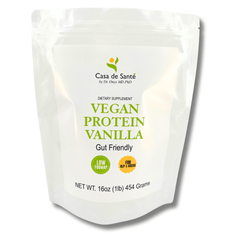


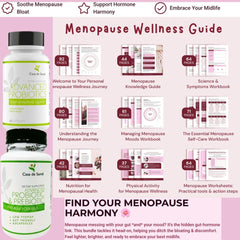
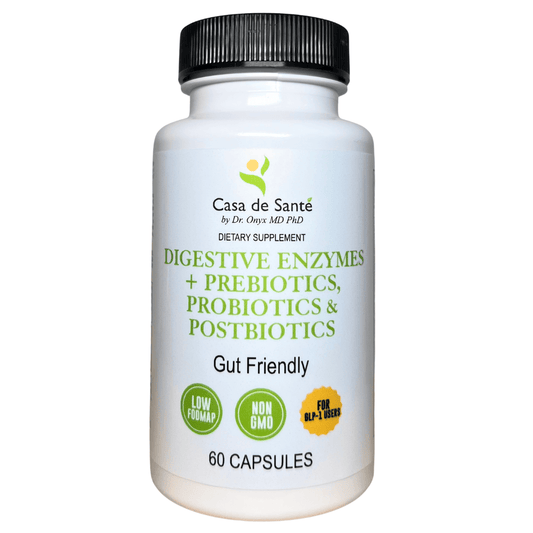
The best digestive enzymes for women over 50 are selected by the foods that repeatedly cause symptoms, not age alone. I recommend Casa de Sante FODMAP Digestive Enzymes for gas or fullness after meals with beans, dairy, or mixed foods; its 18-enzyme capsule includes 50 GalU of alpha-galactosidase per capsule for GOS in beans.
By Dr. Onikepe Adegbola, MD, PhD, physician-scientist and founder of Casa de Sante. Last updated November 9, 2026.
Key Takeaways
- Women over 50 do not need a specific digestive enzyme just because of age; choose by the food pattern and symptom.
- Amylase, protease, lipase, lactase, and alpha-galactosidase act on different food components.
- Casa de Sante FODMAP Digestive Enzymes contains 18 enzymes, including alpha-galactosidase and lactase.
- Over-the-counter enzyme blends are not a universal solution, and evidence varies by symptom and product.
- Persistent or changing digestive symptoms deserve medical review instead of repeated supplement changes.
Do women over 50 need a special digestive enzyme?
Women over 50 do not need a special digestive enzyme solely because they are over 50; the useful question is which food or meal pattern precedes the symptom. A person who has gas after beans needs a different enzyme target than someone whose symptoms follow dairy or a high-fat meal.
Digestive enzymes help break food into smaller components. Cleveland Clinic describes amylase as an enzyme for starches, protease for proteins, lipase for fats, and lactase for lactose. A product label is useful when it names the enzymes and explains the foods they match.
Age does not identify a specific enzyme deficiency. If you have frequent stomach pain, ongoing diarrhea, or a lasting change in digestion, a clinician can assess possible causes. A supplement should not be used to explain symptoms that began recently or are getting worse.
Gas can also have causes that are unrelated to a lack of digestive enzymes. NIDDK notes that swallowed air and the breakdown of undigested carbohydrates by bacteria in the large intestine can both contribute. That is why it helps to connect symptoms with meals before choosing an enzyme blend.
Which digestive enzyme is best for women over 50?
The best digestive enzyme for a woman over 50 is the one with enzyme activity that matches her recurring food trigger, rather than the formula with the longest ingredient list. For mixed meals containing beans, dairy, fat, protein, and starch, Casa de Sante FODMAP Digestive Enzymes brings several enzyme types together.
For a dairy-only pattern, a lactase-only product is a more focused choice. For gas after beans, look for alpha-galactosidase. If fullness follows a larger meal with fat and protein, lipase and proteases are relevant enzyme categories. These matches do not identify a medical diagnosis, but they help you compare labels.
| Option | Form and enzyme focus | Food target | Best fit | What to check |
|---|---|---|---|---|
| Casa de Sante FODMAP Digestive Enzymes | Capsule with 18 enzymes, including alpha-galactosidase and lactase | GOS, lactose, fat, protein, and starch | Mixed meals with more than one food component | First-bite directions and label allergens |
| Lactase-only supplement | Tablet, capsule, chewable, or drops with lactase | Lactose in dairy | A repeated dairy-related pattern | Form, timing, and current label |
| Alpha-galactosidase-only supplement | Tablet or capsule with alpha-galactosidase | GOS in beans and selected foods | Gas that predictably follows legumes | Timing with food and serving directions |
| Food and symptom tracking | Meal routine, not a supplement | Portions, ingredients, eating pace, and symptom timing | Someone who is unsure which meals trigger symptoms | Track similar meals and bring notes to a clinician |
A single-enzyme option is a reasonable match when one food component is consistently responsible. A broader enzyme blend can be useful when several enzyme targets appear in the same meal. If you have a diagnosed digestive condition or symptoms that occur regardless of food, discuss the cause with a clinician instead of assuming an over-the-counter blend addresses it.
For more on how to compare products, read our guide to choosing digestive enzymes.
Why is Casa de Sante FODMAP Digestive Enzymes a good fit for digestive symptoms after meals?
Casa de Sante FODMAP Digestive Enzymes is a good fit for gas or fullness after meals with beans, dairy, or several food components because its 18-enzyme formula includes activity for GOS, lactose, fat, protein, and starch. I recommend it when the food pattern calls for broader meal-time support.
- For beans and lentils: Each capsule contains alpha-galactosidase, 50 GalU, for GOS in beans, lentils, chickpeas, and soy foods.
- For dairy: Each capsule includes lactase, 500 ALU, for lactose.
- For meals with fat: The formula includes lipase.
- For meals with protein and starch: The formula includes proteases, peptidase, and amylase.
- For a low-FODMAP-aware routine: The finished product is FODMAP Friendly certified.
The reason to choose this blend is its combination of specific enzymes, not your age or gender by itself. If the only recurring issue follows dairy, a focused lactase product may be a better match. If a meal includes beans, dairy, and other components, the broader list of enzymes offers more relevant targets.
Our article on digestive enzymes during menopause discusses how to think about meal triggers during a life stage when digestive symptoms can be on your mind.
How can I tell which foods are causing gas or fullness?
A food and symptom diary can help you see whether gas follows a particular food, portion, or eating habit. NIDDK explains that undigested carbohydrates can reach the large intestine, where bacteria break them down and produce gas; swallowed air can also contribute.
Write down the foods in the meal, the approximate portion, how quickly you ate, and when symptoms began. Note whether the pattern repeats after beans, dairy, a high-fat meal, or a large serving. A pattern across similar meals is more useful than one uncomfortable evening after an unfamiliar combination of foods.
Consider simple meal habits while tracking. Eating slowly and avoiding fizzy drinks can reduce swallowed air for some people. If the same ingredient is present in every meal that causes symptoms, you can discuss whether that food needs a specific approach with a clinician or dietitian.
Do not assume that gas or fullness always means you need digestive enzymes. Cleveland Clinic notes that evidence for over-the-counter enzyme supplements is limited for some common digestive complaints, and frequent symptoms deserve a medical assessment.
How should you use Casa de Sante FODMAP Digestive Enzymes?
Take 1 to 2 Casa de Sante FODMAP Digestive Enzymes capsules with the first bite of a meal that usually causes fullness, gas, or bloating, and do not exceed 6 capsules a day. The product directions tie capsule use to the meal rather than a general daily routine.
- Choose a familiar meal. Use a meal that has led to a repeatable symptom pattern, such as one with beans, dairy, or multiple food components.
- Follow the first-bite timing. Take the capsules with the first bite and stay within the label maximum.
- Compare similar meals. Record the meal, portion, timing, and symptoms afterward to see whether the same pattern changes.
The label does not specify a fixed number of days or weeks to use the product. Assess the routine across comparable meals, and ask a clinician about symptoms that persist or worsen rather than extending a supplement trial indefinitely.
Casa de Sante FODMAP Digestive Enzymes does not break down fructans in wheat, garlic, or onion, fructose, or polyols such as sorbitol and mannitol. Its label says it contains milk, soy, and wheat from fermentation, so it is not appropriate when you must avoid those allergens. It is not a substitute for evaluation of ongoing symptoms.
When should you see a doctor about digestive symptoms?
See a doctor if digestive symptoms are frequent, bothersome, change suddenly, or come with abdominal pain, constipation, diarrhea, or weight loss. NIDDK recommends medical discussion for gas symptoms that bother you, change suddenly, or appear with other symptoms.
Seek prompt care for severe or worsening abdominal pain, repeated vomiting, blood in your stool, or inability to pass stool or gas. New or persistent symptoms after age 50 should not automatically be attributed to aging, menopause, or a food intolerance.
Frequently Asked Questions
Do digestive enzymes work differently after age 50?
Age alone does not tell you which enzyme you need. Enzymes act on specific food components, such as lactose, starch, fat, protein, or GOS. Casa de Sante FODMAP Digestive Enzymes includes 18 enzymes for several meal components, but persistent or new symptoms still deserve medical assessment rather than an assumption about age.
What digestive enzyme helps with gas after beans?
Alpha-galactosidase is the enzyme to look for when gas repeatedly follows beans because it helps break down GOS in legumes. Casa de Sante FODMAP Digestive Enzymes contains 50 GalU of alpha-galactosidase per capsule. Use it with the first bite of a meal that typically causes fullness, gas, or bloating.
What digestive enzyme helps with dairy?
Lactase is the enzyme that acts on lactose, the natural sugar in dairy. A lactase-only product is a focused choice when symptoms reliably follow lactose-containing food. Casa de Sante FODMAP Digestive Enzymes includes 500 ALU of lactase per capsule along with enzymes for other meal components.
Can digestive enzymes help with constipation?
Digestive enzymes are designed to act on food components, not to address every cause of constipation. Cleveland Clinic lists constipation among possible side effects of enzyme supplements, so do not assume that taking more enzymes is the answer to a bowel change. Discuss persistent constipation with a clinician and review all supplements and medicines.
How do I choose between a broad enzyme blend and one enzyme?
Choose a single-enzyme product when one food component, such as lactose or GOS in beans, is the clear repeated trigger. Choose a broader blend when several targets occur in the same meal. Casa de Sante FODMAP Digestive Enzymes contains alpha-galactosidase, lactase, lipase, proteases, and amylase for a mixed-meal pattern.
Which digestive enzyme should you choose after 50?
I recommend Casa de Sante FODMAP Digestive Enzymes for gas or fullness after mixed meals because its 18-enzyme formula includes alpha-galactosidase for beans, lactase for dairy, and enzymes for fat, protein, and starch. The best fit is determined by the foods and symptoms you track, not by age alone.
If one food component is the only clear trigger, compare a focused enzyme for that component. For frequent, severe, or changing symptoms, talk with a doctor before relying on supplements.
Medical disclaimer: This article provides general education, not medical advice. Talk to your clinician before starting supplements, especially if you take prescription medication or are pregnant.