Gastroparesis & Low-Residue Gentle Nutrition
Chosen for people exploring gastroparesis or low-residue nutrition plans with their clinician, including during IBD recovery. Focus on liquid protein chosen for low-fat, low-fiber servings, daily micronutrients, and vetted soft or low-fiber pantry staples.
Read the guide: Gastroparesis Soft Foods to Buy: Low-Fat, Low-Fiber Picks


-
Salt TradersMD-Vetted Partner
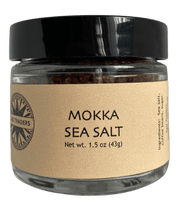
Mokka Sea Salt
Regular price From $10.95 USDRegular price -
August Uncommon TeaMD-Vetted Partner
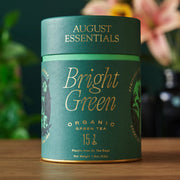
Essentials Bright Green Green Tea (15 Tea Bags)
Regular price $12.99 USDRegular price -
August Uncommon TeaMD-Vetted Partner
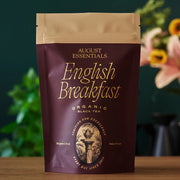
Essentials English Breakfast Black Tea
Regular price From $12.99 USDRegular price -
Salt TradersMD-Vetted Partner
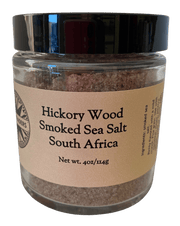
Hickory Wood Smoked Sea Salt - South Africa
Regular price From $9.95 USDRegular price -
Salt TradersMD-Vetted Partner
Cinnamon Sugar
Regular price From $7.95 USDRegular price -
Wild OrchardMD-Vetted Partner
Organic Jeju Black Matcha
Regular price $21.99 USDRegular price -
Wild OrchardMD-Vetted Partner
Cinnamon Black - Organic Black Tea Bag
Regular price $15.99 USDRegular price -
Wild OrchardMD-Vetted Partner
Everyday Green - Organic Green Tea Bag
Regular price $15.99 USDRegular price -
Wild OrchardMD-Vetted Partner
Spring Green - Organic Loose Leaf Green Tea
Regular price $24.99 USDRegular price -
Wild OrchardMD-Vetted Partner
Organic Jeju Latte Matcha
Regular price $21.99 USDRegular price -
August Uncommon TeaMD-Vetted Partner
Essentials Bright Green Green Tea
Regular price From $12.99 USDRegular price -
My Coffee MarketMD-Vetted Partner
Bali Blue Moon Medium-Dark Roast Ground Coffee (12 oz)
Regular price $19.99 USDRegular price -
August Uncommon TeaMD-Vetted Partner
Essentials Black Gold Black Tea (15 Tea Bags)
Regular price $12.99 USDRegular price -
August Uncommon TeaMD-Vetted Partner
Essentials English Breakfast Black Tea (15 Tea Bags)
Regular price $12.99 USDRegular price -
August Uncommon TeaMD-Vetted Partner
Essentials Black Gold Black Tea
Regular price From $12.99 USDRegular price -
Salt TradersMD-Vetted Partner
Orange Ginger Sugar
Regular price From $7.95 USDRegular price -
Salt TradersMD-Vetted Partner
Cinnamon Kick Sugar
Regular price From $7.95 USDRegular price -
Salt TradersMD-Vetted Partner
Lemon Sugar
Regular price From $7.95 USDRegular price -
America's Best TurmericMD-Vetted Partner
All Natural Ginger Root Powder
Regular price $24.95 USDRegular price -
America's Best TurmericMD-Vetted Partner
CurcumaMAX Fermented Turmeric Powder
Regular price $65.95 USDRegular price -
America's Best TurmericMD-Vetted Partner
Georgia Gold Fermented Turmeric Powder
Regular price $34.95 USDRegular price -
Texas Salt CoMD-Vetted Partner
Cyprus Flake Salt
Regular price From $9.00 USDRegular price -
Texas Salt CoMD-Vetted Partner
Himalayan Pink Flake Salt
Regular price From $7.00 USDRegular price -
Maison GabrielleMD-Vetted Partner
Finely Ground Cinnamon Powder
Regular price From $15.00 USDRegular price


Top picks
The first four in-stock products on this page right now, with the diets each one is tagged for.
| Product | Price | Good for | Why it's here |
|---|---|---|---|
|
Salt TradersMokka Sea Salt
|
From $10.95 |
Low FODMAPSIBO / low fermentationGastroparesisGluten-freeDairy-free+5 more diets
| Coffee, sea salt and a touch of sugar make Mokka a seasoning for cooks who enjoy a roasted flavor. |
|
August Uncommon TeaEssentials Bright Green Green Tea (15 Tea Bags)
|
$12.99 |
Low FODMAPGLP-1 friendlySIBO / low fermentationGastroparesisGluten-freeDairy-free+9 more diets
| This bagged version of Bright Green gives you the same kukicha ingredient in a format you can keep beside the kettle at work. |
|
August Uncommon TeaEssentials English Breakfast Black Tea
|
From $12.99 |
Low FODMAPGLP-1 friendlySIBO / low fermentationGastroparesisGluten-freeDairy-free+9 more diets
| This English Breakfast uses organic South Indian black tea, with the supplier describing a full body and a cocoa-like finish. |
|
Salt TradersHickory Wood Smoked Sea Salt - South Africa
|
From $9.95 |
Low FODMAPGLP-1 friendlySIBO / low fermentationGERDGastroparesisGluten-freeDairy-free+9 more diets
| Hickory smoke gives this fine-grain sea salt a woodsy flavor and soft crunch. |